
No Image

USN-5769-1: protobuf vulnerabilities

2022-12-09 KENNETH 0

USN-5769-1: protobuf vulnerabilities It was discovered that protobuf did not properly manage memory when serializing large messages. An attacker could possibly use this issue to cause applications using protobuf to crash, resulting in a denial of service, or possibly execute arbitrary code. (CVE-2015-5237) It was discovered that protobuf did not properly manage memory when parsing specifically crafted messages. An attacker could possibly use this issue to cause applications using protobuf to crash, resulting in a denial of service. (CVE-2022-1941) Source: USN-5769-1: protobuf vulnerabilities
No Image

USN-5767-2: Python vulnerability

2022-12-09 KENNETH 0

USN-5767-2: Python vulnerability USN-5767-1 fixed a vulnerability in Python. This update provides the corresponding update for Ubuntu 14.04 ESM and Ubuntu 16.04 ESM. Original advisory details: It was discovered that Python incorrectly handled certain IDNA inputs. An attacker could possibly use this issue to expose sensitive information denial of service, or cause a crash. (CVE-2022-45061) Source: USN-5767-2: Python vulnerability

No Image

USN-5767-1: Python vulnerabilities

2022-12-08 KENNETH 0

USN-5767-1: Python vulnerabilities Nicky Mouha discovered that Python incorrectly handled certain SHA-3 internals. An attacker could possibly use this issue to cause a crash or execute arbitrary code. (CVE-2022-37454) It was discovered that Python incorrectly handled certain IDNA inputs. An attacker could possibly use this issue to expose sensitive information denial of service, or cause a crash. (CVE-2022-45061) Source: USN-5767-1: Python vulnerabilities

No Image

USN-5768-1: GNU C Library vulnerabilities

2022-12-08 KENNETH 0

USN-5768-1: GNU C Library vulnerabilities Jan Engelhardt, Tavis Ormandy, and others discovered that the GNU C Library iconv feature incorrectly handled certain input sequences. An attacker could possibly use this issue to cause the GNU C Library to hang or crash, resulting in a denial of service. (CVE-2016-10228, CVE-2019-25013, CVE-2020-27618) It was discovered that the GNU C Library did not properly handled DNS responses when ENDS0 is enabled. An attacker could possibly use this issue to cause fragmentation-based attacks. (CVE-2017-12132) Source: USN-5768-1: GNU C Library vulnerabilities

Amazon Aurora 및 RDS용 Trusted Language Extensions for PostgreSQL 지원

2022-12-08 KENNETH 0

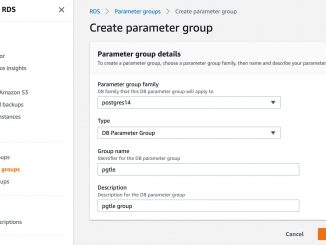
Amazon Aurora 및 RDS용 Trusted Language Extensions for PostgreSQL 지원 PostgreSQL은 개발자를 위한 확장 가능한 디자인으로 많은 기업과 스타트업이 선호하는 오픈 소스 관계형 데이터베이스가 되었습니다. 개발자가 PostgreSQL을 사용하는 이유 중 하나는 선호하는 프로그래밍 언어로 확장 프로그램을 구축하여 데이터베이스 기능을 추가할 수 있기 때문입니다. 이미 Amazon Aurora PostgreSQL 호환 에디션과 PostgreSQL용 Amazon Relational Database Service에 PostgreSQL 확장 프로그램을 설치하고 사용할 수 있습니다. Amazon Aurora와 Amazon RDS에서 85개 이상의 PostgreSQL 확장 프로그램을 지원합니다. 예를 들어, 데이터베이스 활동을 기록하기 위한 PGAudit 확장 프로그램이 있습니다. 많은 워크로드에서 이러한 확장 프로그램을 사용하지만 고객이 PostgreSQL 데이터베이스 인스턴스에 대해 선택한 확장 프로그램을 구축하고 실행할 수 있는 유연성을 요구한다는 의견을 들었습니다. 오늘 PostgreSQL 확장 프로그램을 구축하기 위한 새로운 오픈 소스 개발 키트인 PostgreSQL용 신뢰할 수 있는 언어 확장 프로그램(pg_tle)의 정식 출시를 발표합니다. PostgreSQL용 신뢰할 수 있는 언어 확장 프로그램을 통해 개발자는 PostgreSQL에서 안전하게 실행되는 고성능 확장 프로그램을 구축할 [ more… ]