AWS Amplify를 이용한 Android 앱 개발 실습 – 2부

2019-05-15 KENNETH 0

AWS Amplify를 이용한 Android 앱 개발 실습 – 2부 이 글은 AWS Amplify 개발 도구를 사용하여 AWS 클라우드 기반 Android 모바일 앱을 제작하는 방법에 대한 실습 시리즈입니다. 이 글에서는 1부에 이어 Android 앱에 고급 기능을 추가합니다. 다루는 내용은 다음과 같습니다. 기능 업데이트 : AWS AppSync API 오프라인 지원 데이터 변경(변형)에 대한 구독 사용 Amazon S3를 통한 객체 스토리지 활성화 사전 조건 Android 프로젝트를 작성하려면 워크 스테이션에 Java JDK가 설치되어 있어야 합니다. Android Studio를 다운로드하여 설치하고 Android SDK 관리자에서 Android 6.0 SDK(API 레벨 23 이상)를 다운로드합니다. 또한 에뮬레이터 이미지도 다운로드합니다. 이를 위해 Android Studio에서 AVD Manager를 선택해야 합니다. + Create Virtual Device를 선택하고 지침에 따라 설치를 완료합니다. 1 부에서 계속 1부에서 우리는 애완 동물의 목록을 표시하고 새로운 애완 동물을 추가할 수 있는 Android 앱을 만들었습니다. 새 애완 동물을 추가하면 앱은 다음과 같은 형태가 됩니다. 최적 업데이트 및 오프라인 지원 최적 업데이트 [ more… ]

AWS Amplify를 이용한 Android 앱 개발 실습 – 1부

2019-05-15 KENNETH 0

AWS Amplify를 이용한 Android 앱 개발 실습 – 1부 이 글은 AWS Amplify 개발 도구를 사용하여 AWS 클라우드 기반 Android 모바일 앱을 제작하는 방법에 대한 실습 시리즈입니다. 여러분이 제일 좋아하는 애완 동물 목록을 표시하기 위한 Android 모바일 앱을 개발한다고 가정해 봅시다. 사용자 경험을 높여줄 프론트 엔드 사용자 경험에 집중 하기 위해 중요한 기능 중 하나인 애완 동물 데이터를 나열, 생성 및 저장하는 API를 설정하는 백엔드 서버 인프라를 관리 및 운영하고 싶지는 않습니다. 또한, 각 사용자가 자신의 애완 동물을 추가할 수 있도록 사용자 인증 기능을 별도로 구현하지 않고 손쉽게 설정하고 싶습니다. 즉, 오로지 Android 앱 개발 작업에 집중하고 싶다면, 어떻게 해야 할까요? 이 글에서는 이를 위해 AWS Amplify를 사용하여 손쉽게 서버리스 모바일 앱을 개발하기 위한 제작하기 단계별 실습 방법을 살펴 보겠습니다. 우리는 다음 작업을 수행하는 방법을 설명합니다. AWS AppSync가 지원하는 GraphQL API를 추가합니다. Amazon Cognito를 통해 사용자 인증 메커니즘을 추가합니다. RecyclerView에서 [ more… ]

No Image

Windows 10 SDK Preview Build 18894 available now!

2019-05-15 KENNETH 0

Windows 10 SDK Preview Build 18894 available now! Today, we released a new Windows 10 Preview Build of the SDK to be used in conjunction with Windows 10 Insider Preview (Build 18894 or greater). The Preview SDK Build 18894 contains bug fixes and under development changes to the API surface area. The Preview SDK can be downloaded from developer section on Windows Insider. For feedback and updates to the known issues, please see the developer forum. For new developer feature requests, head over to our Windows Platform UserVoice. Things to note: This build works in conjunction with previously released SDKs and Visual Studio 2017 and 2019. You can install this SDK and still also continue to submit your apps that target Windows 10 build 1903 or earlier to the Microsoft Store. The Windows SDK will now formally only be supported by Visual Studio 2017 [ more… ]

HP launches world’s first dual-screen gaming laptop and other innovations

2019-05-14 KENNETH 0

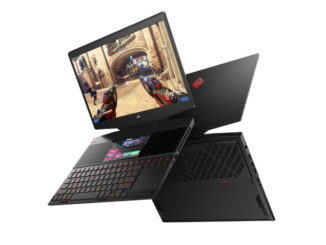
HP launches world’s first dual-screen gaming laptop and other innovations In our multitasking world, when you’re playing PC games, there’s a good chance you’re doing a lot of other things, too. Gaming industry insights show 82% of people use their mobile phones for messaging during gaming sessions, while 61% listen to music and 49% watch game-related live streams, view video content and browse websites [1]. With this in mind, HP has created the world’s first dual-screen gaming laptop [2], the OMEN X 2S. OMEN X 2S Players will be able to message friends in WeChat and WhatsApp, browse the perfect songs to accompany their sessions on Spotify, watch Twitch and YouTube, or even serve as a hub for OMEN Command Center software through an easy-to-use 6-inch 1080p touchscreen above the keyboard – freeing them from the hassles of alt-tabbing. A [ more… ]

Validating OAuth 2.0 Access Tokens with NGINX and NGINX Plus

2019-05-14 KENNETH 0

Validating OAuth 2.0 Access Tokens with NGINX and NGINX Plus Image courtesy of John T. on unsplash.com There are many options for authenticating API calls, from X.509 client certificates to HTTP Basic authentication. In recent years, however, a de facto standard has emerged in the form of OAuth 2.0 access tokens. These are authentication credentials passed from client to API server, and typically carried as an HTTP header. OAuth 2.0, however, is a maze of interconnecting standards. The processes for issuing, presenting, and validating an OAuth 2.0 authentication flow often rely on several related standards. At the time of writing there are eight OAuth 2.0 standards, and access tokens are a case in point, as the OAuth 2.0 core specification (RFC 6749) does not specify a format for access tokens. In the real world, there are two formats in common usage: JSON Web Token (JWT) as [ more… ]