

Amazon EC2 스팟 인스턴스로 확장성 높은 웹 애플리케이션 운영하기

2018-11-17 KENNETH 0

Amazon EC2 스팟 인스턴스로 확장성 높은 웹 애플리케이션 운영하기 AWS는 2017년 re:Invent에서 새로운 Amazon EC2 스팟 인스턴스 요금 모델을 공개하였습니다. 기존의 예비 컴퓨팅 용량에 입찰하는 방법 대신 가용 용량이 있는 경우에는 인스턴스 실행 요청만으로 스팟 인스턴스를 사용할 수 있습니다. 새로운 요금 모델이 적용된 후 한가지 괄목할만한 점은 스팟 인스턴스의 중단현상이 감소되었다는 것입니다. 실제로 스팟 인스턴스 종료(terminate) 원인의 95% 이상은 EC2 중단이 아닌 고객에 의한 종료로 나타났습니다. 자세한 AWS 리전 별 인스턴스 유형 별 EC2 종료에 관한 정보는 스팟 인스턴스 어드바이저로 확인하실 수 있습니다. 스팟 인스턴스를  고객의 워크로드 유형에 따라 사용방식이 달라질 수 있습니다. 가용 시간에 민감하지 않은 워크로드(time insensitive workload) – 가용성에 대한 요구사항이 상대적으로 적으며 대고객 서비스가 아닌 내부 워크로드. 공학용 계산 작업, 개발 및 테스트, 배치, 머신러닝 또는 딥러닝 모델 학습 등 가용 시간에 민감한 워크로드(time sensitive workload) – 대고객 서비스와 같이 고가용성 및 내결함성(fault-tolerance)을 갖추어야 하는 워크로드. 웹 [ more… ]

분산 가용 그룹을 사용하여 AWS 기반 Microsoft SQL 하이브리드 솔루션 설계하기

2018-11-17 KENNETH 0

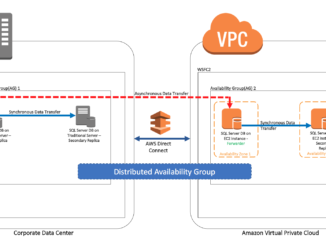
분산 가용 그룹을 사용하여 AWS 기반 Microsoft SQL 하이브리드 솔루션 설계하기 모놀리식 미션 크리티컬 Microsoft SQL Server 데이터베이스를 온프레미스에서 AWS의 Amazon EC2 기반 SQL Server로 마이그레이션하는 작업이 쉽지 않은 경우가 흔히 발생합니다. 문제의 주요 원인은 아래 세 가지로 요약할 수 있습니다. 마이그레이션 준비 시, 다운타임 기간이 길어져서 비즈니스에 부정적인 영향을 미칠 수 있음 온프레미스와 AWS의 데이터베이스를 동기화 상태로 유지하는 문제 단계별 마이그레이션을 계획하고 수행할 수 있는 유연성 결여 이 게시물에서는 중요한 SQL Server 데이터베이스를 아키텍처 변경 없이 AWS로 단순 전환하는 하이브리드 솔루션을 설계하는 방법을 자세히 소개 하겠습니다. 이 솔루션은 SQL Server 2016에 도입된 새로운 기능인 분산 가용 그룹을 사용합니다. 이 게시물에서는 분산 가용 그룹을 사용하여 마이그레이션을 제어하고 유연성을 개선할 수 있는 단계별 마이그레이션 접근 방식도 함께 설명합니다. 분산 가용 그룹의 개요 분산 가용 그룹은 두 개의 개별 가용 그룹에 걸쳐 있는 특수한 유형의 AG(가용 그룹)입니다. 여러 가용 그룹 중의 가용 [ more… ]

Introducing Emoji8

2018-11-17 KENNETH 0

Introducing Emoji8 How can I make machine learning fun and approachable for my non-tech-savvy friends and family? How can I make an app that maximizes the usage of my Windows 10 hardware? How can I test out my craziest facial expressions and get them scored by science? Emoji8, now available for free in the Microsoft Store and open-sourced on GitHub, can answer all of these questions and more!  What is Emoji8? Emoji8 is sample UWP application that uses Windows Machine Learning to evaluate your facial expressions while you imitate a random selection of emojis. The app takes in a video feed from your computer’s webcam and evaluates the images with the FER+ Emotion Recognition model version 1.2 locally on your machine. You can tweet a gif summarizing your best scoring pics when you have an internet connection and continue playing even when you don’t have one! This app will [ more… ]

No Image

WordPress 5.0 Beta 5

2018-11-16 KENNETH 0

WordPress 5.0 Beta 5 WordPress 5.0 Beta 5 is now available! This software is still in development, so we don’t recommend you run it on a production site. Consider setting up a test site to play with the new version. There are two ways to test this WordPress 5.0 Beta: try the WordPress Beta Tester plugin (you’ll want “bleeding edge nightlies”), or you can download the beta here (zip). Reminder: the WordPress 5.0 release date has changed. It is now scheduled for release on November 27, and we need your help to get there. Here are some of the big issues that we’ve fixed since Beta 4: Block Editor The block editor has been updated to match the Gutenberg 4.4 release, the major changes include:  A permalink panel has been added to the document sidebar to make it easier to find. Editor document panels can now [ more… ]

No Image

USN-3824-1: OpenJDK 7 vulnerabilities

2018-11-16 KENNETH 0

USN-3824-1: OpenJDK 7 vulnerabilities openjdk-7 vulnerabilities A security issue affects these releases of Ubuntu and its derivatives: Ubuntu 14.04 LTS Summary Several security issues were fixed in OpenJDK 7. Software Description openjdk-7 – Open Source Java implementation Details It was discovered that the Security component of OpenJDK did not properly ensure that manifest elements were signed before use. An attacker could possibly use this to specially construct an untrusted Java application or applet that could escape sandbox restrictions. (CVE-2018-3136) Artem Smotrakov discovered that the HTTP client redirection handler implementation in OpenJDK did not clear potentially sensitive information in HTTP headers when following redirections to different hosts. An attacker could use this to expose sensitive information. (CVE-2018-3139) It was discovered that the Java Naming and Directory Interface (JNDI) implementation in OpenJDK did not properly enforce restrictions specified by system properties in [ more… ]